
Goodbye, Endless Summer: The Costs and Payoffs of Year-Round Schooling
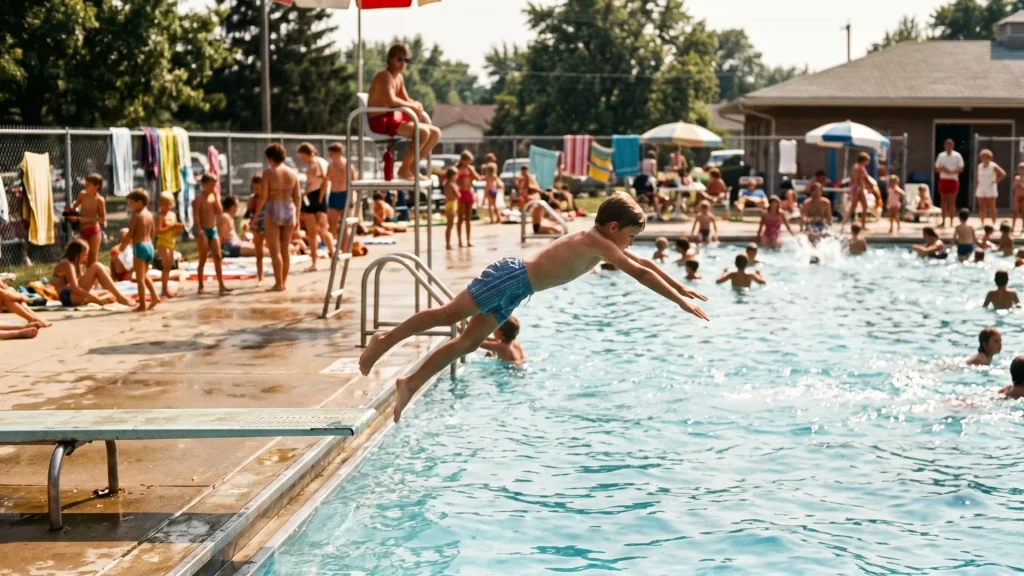
If there is one sacred cow left in the pantheon of American childhood, it is the months-long summer vacation. It is a time-honored, nostalgic tradition built on a foundation of melting popsicles, chlorine-stung eyes, catastrophic sunburns, and—by the time mid-July rolls around—parents desperately Googling “free crafts to do with kids so I can hear myself think.” For over a century, the entire rhythm of the American family has been strictly dictated by the 10-month academic calendar.
For over a century, the entire rhythm of the American family has been strictly dictated by the 10-month academic calendar. As more districts debate switching to a balanced calendar, understanding the pros and cons of year-round school has become a central focus for modern education reform.
Ask almost anyone why we do this, and they will confidently tell you it’s a relic of our agrarian past, designed so children could help their parents with the summer harvest. It is a charming story, but it’s historically false. Farmers actually needed their children in the spring for planting and the fall for harvesting. The massive summer break was actually popularized in the late 19th century by wealthy urban elites who wanted to flee the sweltering, un-air-conditioned cities for their country homes, taking their kids with them. The schools, tired of teaching half-empty classrooms, simply standardized the summer closure.
Yet, here we are in the 21st century, still organizing our modern, high-tech lives around a 19th-century vacation schedule designed to beat the heat before the invention of the window unit.
As the demands of education grow and the complexities of modern parenting multiply, a growing number of school districts are taking a hard look at that massive summer break and asking a dangerous, highly controversial question: Is this actually working for anyone?
The answer for hundreds of schools across the country is a resounding no. Enter the “balanced calendar”—colloquially and somewhat inaccurately known as year-round schooling. It’s a model that slices the massive summer break down to a brisk four-to-six weeks. The remaining vacation days aren’t eliminated; they are redistributed throughout the school year into two-week “intersessions” in the fall, winter, and spring. Kids still attend school for the standard 180 days, but the marathon is broken up into manageable, nine-week sprints.
Transitioning a community away from the traditional summer requires practically moving mountains, and the community town halls leading up to the vote are usually the stuff of local legend. But decades of data and lived experience suggest something remarkable: once a district makes the switch and survives the first year, they rarely want to go back.
But is it a silver bullet for public education, or just a logistical nightmare for working parents? To understand the reality, we have to look at the pioneers who paved the way.
Executive Summary: Year-Round Schooling At a Glance
The balanced school calendar (year-round schooling) redistributes the traditional 180 school days into continuous nine-week blocks separated by two-week breaks (“intersessions”), cutting the standard summer vacation down to 4–6 weeks.
The Pros: It actively prevents summer learning loss (the summer slide), provides immediate, real-time academic tutoring during intersessions, and offers routine mental resets that drastically reduce teacher and student burnout.
The Cons: It creates massive childcare hurdles for working families during off-weeks, disrupts high school sports and teenage employment, and increases school district expenses via year-round utility bills and support-staff payroll.
The Economic Catch: While local daycares and retail shops thrive on the predictable year-round rhythm, the major tourism and theme park lobbies heavily oppose it because it shrinks the summer travel window and dries up the seasonal teenage workforce.
The Pros: Why Districts Switch to Year-Round Schooling
1. Stopping the “Summer Slide”
Educational researchers have long warned of “summer learning loss.” During a three-month break, students—particularly those from low-socioeconomic backgrounds—lose a significant chunk of the math and reading progress they made the previous year. Sociologists often refer to the “faucet theory” of learning. During the school year, the resource faucet is turned on for everyone. But in the summer, the faucet is turned off.
Middle-class families compensate with expensive summer camps, museum trips, and abundant reading materials. Lower-income families often cannot. By shortening the summer to just a few weeks, year-round calendars keep kids connected to the classroom, reducing the achievement gap and keeping academic momentum alive before it has a chance to atrophy.
2. Real-Time Interventions (The “Intersession” Secret)
In a traditional school, a student who falls hopelessly behind in middle school math by October usually has to suffer through the rest of the year, fail the class, and wait until summer school to catch up. In a balanced calendar, the two-week fall and spring breaks—called “intersessions”—are the district’s secret weapon.
Schools don’t just lock the doors during these weeks. They use them to offer immediate, hyper-targeted help. Struggling students are brought in for three or four days of boot-camp style remediation to fix their grades before the next term starts. Simultaneously, excelling students are offered advanced STEM clinics, robotics camps, or arts immersions that wouldn’t normally fit into the standard curriculum. It turns a reactive educational system into a proactive one.
3. The Ultimate Burnout Antidote
Ask any educator about the stretch between August and Thanksgiving, or the long, dark slog from Martin Luther King Jr. Day until Spring Break. The traditional calendar forces teachers and students to sprint to the point of absolute physical and emotional exhaustion.
A balanced calendar provides a hard mental reset every nine weeks. It is difficult to overstate how much this improves the culture of a building. Districts utilizing this model frequently report drastic drops in teacher turnover, fewer student behavioral referrals, and much higher overall morale. Teachers can actually schedule doctor’s appointments and take vacations without burning through their sick leave or writing sub plans, and students get the cognitive breaks they desperately need.
The Cons: The Hidden Costs of a Balanced Calendar
1. The Childcare Hustle
This is the number one hurdle, the primary source of anger at school board meetings, and a very real burden for working parents. Finding a reliable babysitter for a random Tuesday in October is tough; finding two straight weeks of affordable childcare in the middle of March can feel like an impossible logistical puzzle.
While schools like Holt Public Schools in Michigan and Socorro in Texas have mastered the art of providing on-site intersession camps, parents in newly transitioning districts often have to completely re-engineer their family’s annual rhythm. Local YMCAs, boys and girls clubs, and private daycares eventually adapt and offer “fall break camps,” but until that local infrastructure is built, working parents bear the brunt of the calendar change.
2. The High School Collision
The balanced calendar works beautifully for elementary and middle school kids, but it frequently collides with the reality of the traditional American high school experience. A shortened summer drastically complicates a teenager’s ability to hold a meaningful summer job, secure an internship, or take dual-enrollment college courses at institutions still operating on a traditional semester schedule.
Furthermore, high school athletics can be a nightmare. Athletes often find themselves practicing and playing games straight through their hard-earned fall and spring breaks just to keep up with neighboring, traditional-calendar districts. Finally, Advanced Placement (AP) testing is scheduled nationally in May. If a balanced calendar school takes frequent breaks throughout the year, their AP students may have significantly less in-seat instructional time before the exam compared to students in traditional schools.
3. The Massive Budget Increases
If you keep a massive brick building in Texas or Tennessee heavily air-conditioned through the sweltering heat of July, your utility bills are going to skyrocket. That is just the baseline reality of the year-round model.
Beyond utilities, the calendar forces administrators to rethink entirely how they pay their support staff. Bus drivers, cafeteria workers, and custodians who typically work 10-month contracts suddenly need to be paid year-round, expanding the district’s payroll and benefits liabilities. Furthermore, if you want your highly qualified teachers to run those brilliant intersession camps in October and March, you have to pay them extra to give up their vacation time. Unless a district is using a multi-track system to save tens of millions on construction costs (like Valley View did), operating a high-quality, single-track balanced calendar simply costs significantly more money.
The Unlikely Opponent: The Tourism and Commerce Lobby
When a school board proposes a year-round calendar, you might expect the loudest opposition to come from teachers unions or exhausted parents. But historically, the most powerful and well-funded opponent of calendar reform has operated entirely outside the education arena: the tourism, theme park, and hospitality industries.
To the local Chamber of Commerce and the state Board of Tourism, the three-month summer break isn’t just an educational tradition; it is a multi-billion dollar economic engine. Shrinking that window from ten weeks down to four creates a massive financial ripple effect.
The most famous example of this economic clash occurred in Virginia in 1986. After several districts expressed interest in starting the school year in August, the state’s powerful hospitality industry—led largely by major theme parks—successfully lobbied the state legislature to pass a law forbidding public schools from opening their doors before Labor Day (Virginia Places, 2018). It became universally known as the “Kings Dominion Law,” named after the massive amusement park north of Richmond.
Why do theme parks and tourism boards care so much about when seventh graders go back to math class? Two reasons:
The Teenage Workforce: Amusement parks, municipal pools, summer camps, and boardwalks rely entirely on cheap teenage labor. If high schools go back into session in early August, the seasonal workforce evaporates while the tourist season is still in full swing.
The Vacation Window: Tourism boards argue that if families only have four weeks in July to travel, destination hotspots will become impossibly overcrowded, while the lucrative “shoulder seasons” (late August and early June) will see a devastating drop in hotel bookings and tax revenue.
Similar lobbying groups, like the “Save Our Summers” coalition in North Carolina and powerful hospitality groups in Texas, have spent decades fighting to legally mandate long, uninterrupted summer breaks to protect their bottom lines.
However, local Chambers of Commerce often find themselves split on the issue. While destination tourism suffers under a balanced calendar, local commerce actually tends to thrive. In a traditional calendar, local restaurants and retail shops often experience a “summer slump” when affluent families leave town for weeks at a time. A balanced calendar keeps the local economy humming at a more consistent, predictable rate year-round. Furthermore, the local childcare industry, martial arts studios, and recreation centers often see massive revenue bumps by offering highly profitable two-week “intersession camps” in October and March.
The Verdict
Ultimately, the balanced calendar is not magic. Simply moving dates around on a spreadsheet does not magically guarantee higher test scores or instantly solve systemic educational inequalities.
However, what the balanced calendar does do is offer a vastly superior structural foundation. It gives administrators the time to intervene before kids fail. It gives teachers the rest they need to stay in a grueling profession. And, perhaps most importantly, it gives communities a steadier, more continuous rhythm of learning that aligns with how human beings actually retain information. It requires a massive community pivot, and the growing pains—from figuring out childcare to battling the tourism lobby—are undeniably real. But for the districts that survive the transition, the end of the “endless summer” is a trade they are more than happy to make.
Frequently Asked Questions
What is a balanced school calendar?
A balanced school calendar redistributes the standard 180 school days across the entire year. Instead of a 10-week summer vacation, students get a shortened 4-to-6 week summer break, with the remaining days converted into 2-week “intersession” breaks during fall, winter, and spring.
What are the pros and cons of year-round school?
The primary pros include reducing summer learning loss, providing real-time academic interventions during breaks, and preventing teacher burnout. The major cons include logistical childcare challenges for working parents, conflicts with high school sports/jobs, and increased district utility and staffing costs.
How does year-round school impact the economy and tourism?
Year-round schooling heavily impacts seasonal tourism by shrinking the summer travel window and reducing the available teenage workforce for theme parks and resorts. However, it can boost local businesses, daycares, and recreation centers by creating a steady, year-round demand for intersession camps and local commerce.
What is the “Kings Dominion Law” in education?
The “Kings Dominion Law” refers to a 1986 Virginia legislative ruling heavily backed by the tourism industry that prohibited public schools from starting before Labor Day. It was designed to protect the peak summer tourism season and preserve the teenage workforce for amusement parks and hospitality businesses.
References
References
Campbell, B. (1972). Annotated bibliography: Extended school year materials. ERIC. Retrieved from https://files.eric.gov/fulltext/ED066799.pdf
Office of Education (DHEW). (1973). Evaluation of the 45-15 plan, a year-round school operation of Valley View School District 96. ERIC. Retrieved from https://files.eric.gov/fulltext/ED073573.pdf
Texas Legislative Budget Board. (1998). School performance review: Socorro Independent School District. Retrieved from https://www.lbb.texas.gov/Documents/Publications/School_Performance_Review/SPR/socorro/socorro.pdf
Virginia Places. (2018). King’s Dominion law – Schools, tourism, and the Dillon rule in Virginia. Retrieved from https://www.virginiaplaces.org/parktour/kingsdominionlaw.html